Comparison
Owldo vs Obsidian.
Obsidian is a masterpiece of local-first software. It is fast, private, and incredibly powerful for building a sprawling, interconnected 'Second Brain.'
But when it comes time to actually execute—to track due dates, set reminders, and check things off—Obsidian forces you to become a database administrator, writing complex queries and maintaining fragile plugins. Owldo is the sharp, opinionated alternative built strictly for execution.
Our Philosophy
“A note without a task is just a file.”
We fundamentally reject the artificial divide between 'notes apps' and 'task managers.' Context and action must live in the exact same window. We built Owldo so you can finally stop paying the context-switching tax.

| Feature | Owldo | Obsidian |
|---|---|---|
| Local-first architecture | Yes | Yes |
| Markdown support | Native | Native |
| Task management | Built in, first-class | Requires community plugins (Dataview/Tasks) |
| Daily planner | Built in | Requires plugins |
| Publish to web | Included ($3/mo) | $8/mo (Obsidian Publish) |
| Setup required | None | High |
| Pricing (Sync) | Free local / $3/mo sync | Free / $8/mo |
The Plugin Trap
The Obsidian community is famous for "productive procrastination." To get a simple list of tasks due today in Obsidian, you have to install the Tasks plugin, install Dataview, learn a pseudo-SQL query language, and maintain a complex YAML frontmatter system across all your files.
This is a trap. You spend your cognitive energy building a productivity system instead of doing the work. Owldo removes this entire layer of complexity. It is an opinionated tool. Tasks are a native object. They have due dates. They show up in your schedule. No queries required.
Publishing Friction
Publishing a note from Obsidian to the web usually requires paying $8/month for Obsidian Publish, or spending a weekend setting up a complex Next.js site connected to a GitHub action that parses your markdown.
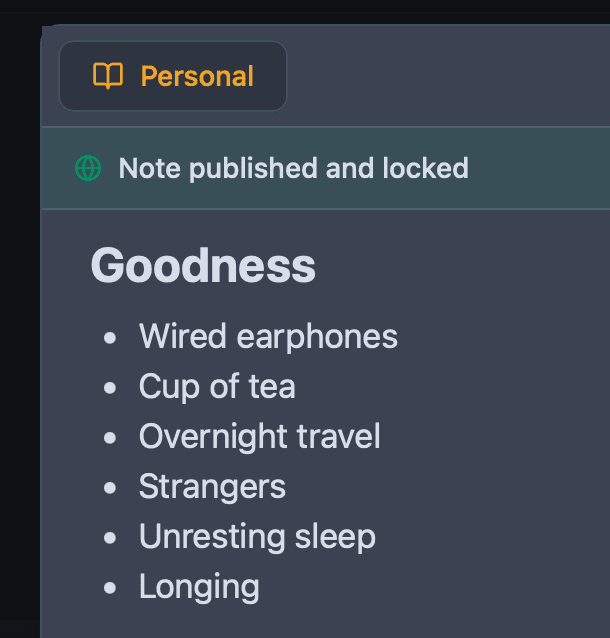
Owldo has publishing built natively into the core app. You write a note in Markdown, you click a toggle, and it is instantly live on the web at a clean, optimized URL. It is the fastest way to turn a private thought into a public article.
Where Obsidian Wins
If you are an academic researcher, a novelist, or a student trying to map out a massive web of interconnected ideas (a Zettelkasten), Obsidian is unmatched. The graph view and bidirectional linking are genuinely revolutionary for sense-making.
Owldo does not try to be a Zettelkasten. It is designed for actionable projects. If you want a fast, local-first app to write a project brief, assign tasks, and finish the project, Owldo wins. If you want to map the history of the Roman Empire, use Obsidian.
What you get with Owldo

Frequently asked questions
Does Owldo use plain text markdown files like Obsidian?
Owldo stores data in a local, highly-optimized SQLite database to ensure fast task querying and scheduling, but fully supports Markdown rendering and export.
Can I link notes together in Owldo?
Owldo uses a flat structure of Spaces. It is designed for actionable projects rather than a massive, interlinked knowledge graph.
More comparisons